Gas Turbines
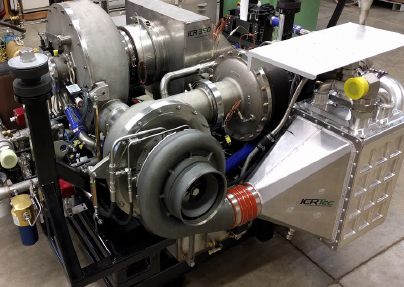
Brayton combines rigorous thermodynamic modeling with advancements in heat transfer, aerodynamics, and combustion sciences. The foundation of optimal gas turbine design starts with comprehensive cycle and system analysis. Brayton has developed internal codes to perform the integrated cycle analysis for the computational modules listed below.
Technical Expertise
- Design point simulations
- Simple gas turbine cycles
- Intercooled recuperated and reheat cycles
- Part-load performance simulation
- Incorporating physical compressor and turbine maps
- Parametric representation of the recuperator and intercooler
- Combustion stability and CO emission over the operating envelope
- NOx emissions over the gas turbine operating envelope
- Turbine and compressor sizing and parametric performance analysis
- Static and rotating ceramic hot sections
- Axial, radial & screw machinery
- Combined heat/ power (CHP) systems
- Hi-temp ceramics & blade cooling


Approach
Rigorous Design of Aerodynamic components:
Tools + Experience + Facilities

Empirical Experienced-based Design Tools

Computational Fluid Dynamics

Solid Model Generation or FEA & Life Analysis

Rapid Prototyping

Specialized Instrumentation Techniques

Advanced Techniques in Component Testing

Validation: Data vs Analysis
GAS TURBINE Test Facilities


Turbine and Compressor Test Rigs
Brayton’s test facilities include five combustion gas stands dedicated to the characterization of turbomachinery and gas turbine combustors. The test cells are equipped with precision instrumentation, including highly specialized pressure traversing instruments and cobra probes, thermocouples, mass flow meters, and calibration equipment. Brayton maintains a host of data acquisition equipment, as well as borascope, thermal imaging system, and emission test equipment.
Aerodynamic Testing:
- Traversing 2-axis remote control cobra probe (large and micro-scale) for components <50 mm
- TC raking and traversing
- Calibration: NBS traceable flow, pressure and temp
- Custom instrumentation for controls and data acquisition
- Model validation
- Endurance testing
In-house Ceramic DevelopmentAdvanced ceramics for gas turbines
Brayton Energy has been pushing firing temperatures in hot turbine sections incorporating both static and rotating ceramic hardware developed from a variety of manufacturing methods such as isostatic pressing, slip casts and ultra precision CNC grinding to achieve tolerances.
Brayton’s expertise focuses on extremely low thermal expanding and conductive ceramics with superior strengths and machinability.


Ceramic-to-metal joint qualifications. Brayton has several development engines requiring a shrink fit or brazed joint between the ceramic turbine and a metallic shaft. In these applications metallic shafts on rotating hardware are required for bearing seats.

Centrifugal ceramic turbine withstands localized 600°C operating temperatures at metal joint.

In-house torque testing of joint samples.

In house fatigue and thermal stress testing of ceramics
Screw Compressor and Expander Development
- Design, prototype manufacturing and testing
- Advanced high temperature ceramic screw expander. (up to 1200°C)
- Non contacting, non-wear parts for exceptionally long life.
- Compressible coatings to close shroud clearances, increasing efficiency.
- Partnerships with profile grinding industry experts providing custom coated tooling and fixtures.
- In-house diagnostics and performance characterization of design.


Gas Turbines Related Projects
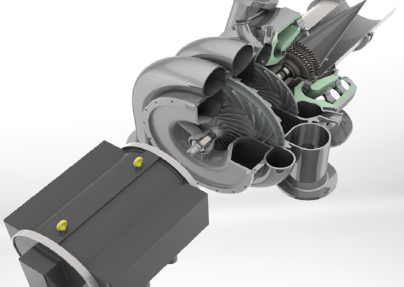
1.2 MW Gas Turbine
Direct biomass combustion (solid fuel internal combustion) eliminates much of the costly fuel processing associated with making either bio-oils, ethanol, or standard gasifiers. To effectively achieve direct biomass combustion in a gas turbine Read More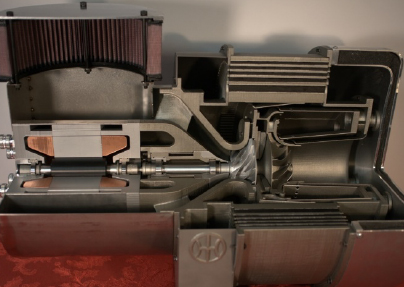
60 kW Microturbine
Compact 60 kWe Microturbine Range Extender: Innovative cold-end bearing architecture; Advanced radial turbine cooling for higher firing temperatures; High speed alternator; 33 to 45% LHV efficiency Read More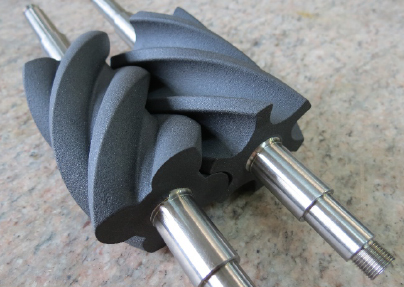
2 kW Recuperated Brayton
Brayton Energy’s 2kWe recuperated Brayton-cycle generator uses a screw compressor and ceramic screw expander, intended to produce heat and electricity for residential use. The package total size is 48” x 38” x 36” (W x D x H). Read More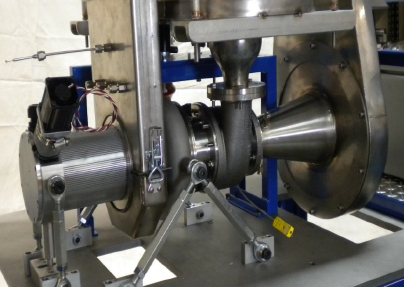
12kW Recuperated Gas Turbine Genset
Single shaft architecture; Air bearings; PM generator; Multi-fuel combustor; Advanced low-cost recuperator; Designed for high volume production in India (2016) Read More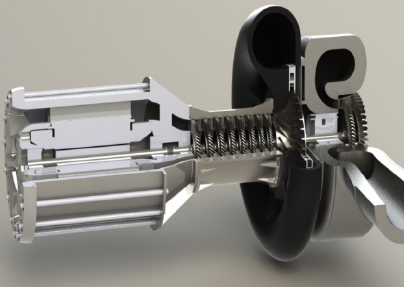
Laughlin/ Brayton Battery Gas Turbine
The Laughlin/Brayton Battery Project: Brayton is designing an advanced closed-cycle gas turbine: Closed-cycle He/Ar working fluid; Only one moving part; No mechanical wear – all magnetic bearings Read More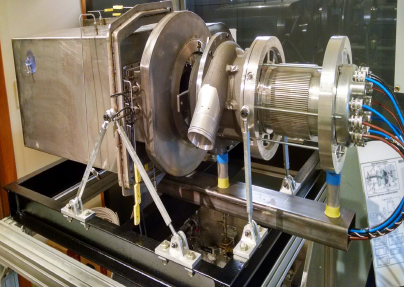
ICR 80kW Axial Gas Turbine
Intercooled Recuperated Microturbine – 80 kWe: Designed for Class 5/7 series hybrid delivery vehicles - Very compact, light weight ICR cycle; Core engine = 128 lbm; Recup combustor module ~ 125 lbm; Two stage axial turbine Read More